Environmental Balance
One Health. One Geometry. Symphony in Chaos. The Tender Heart.
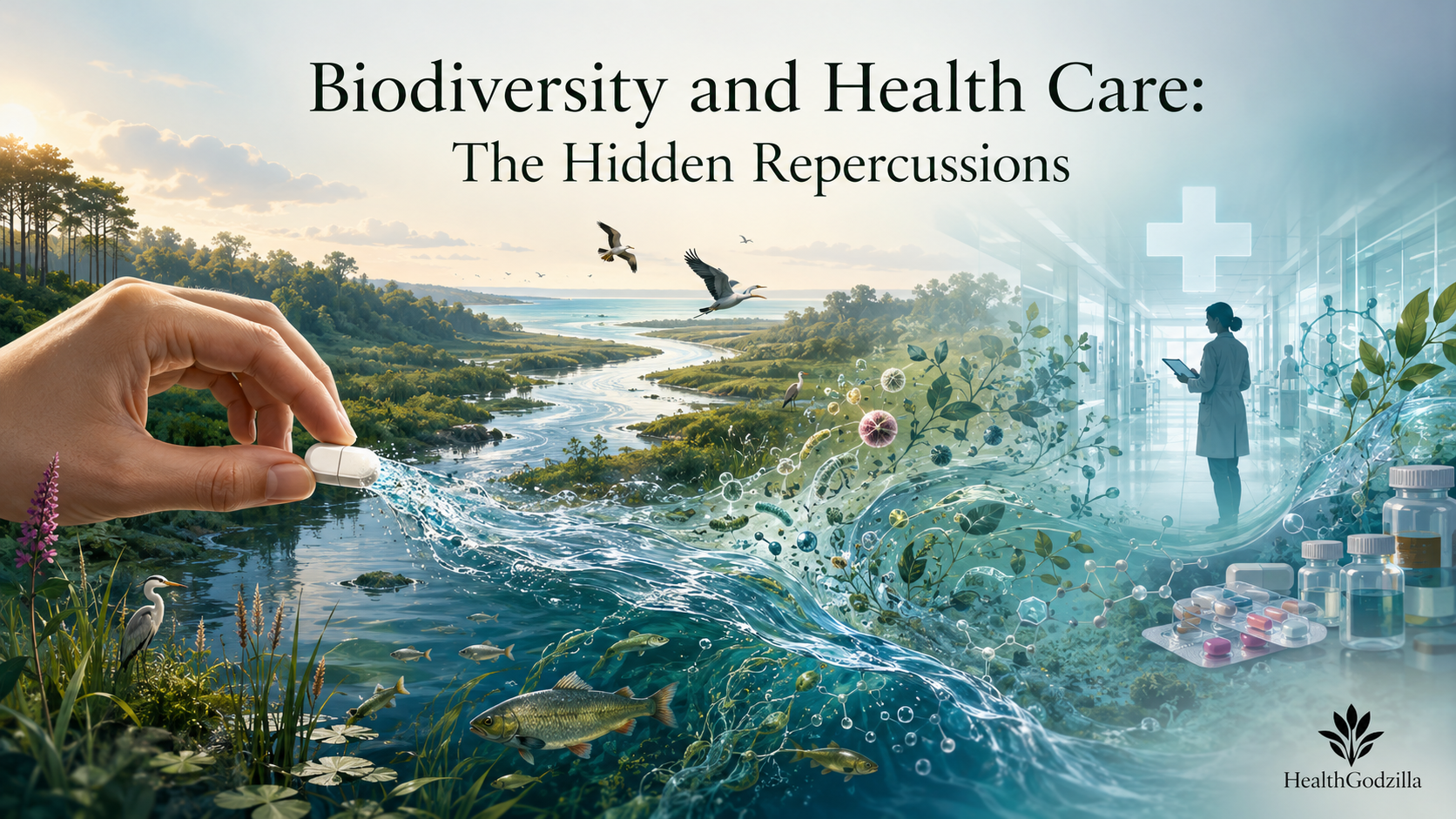
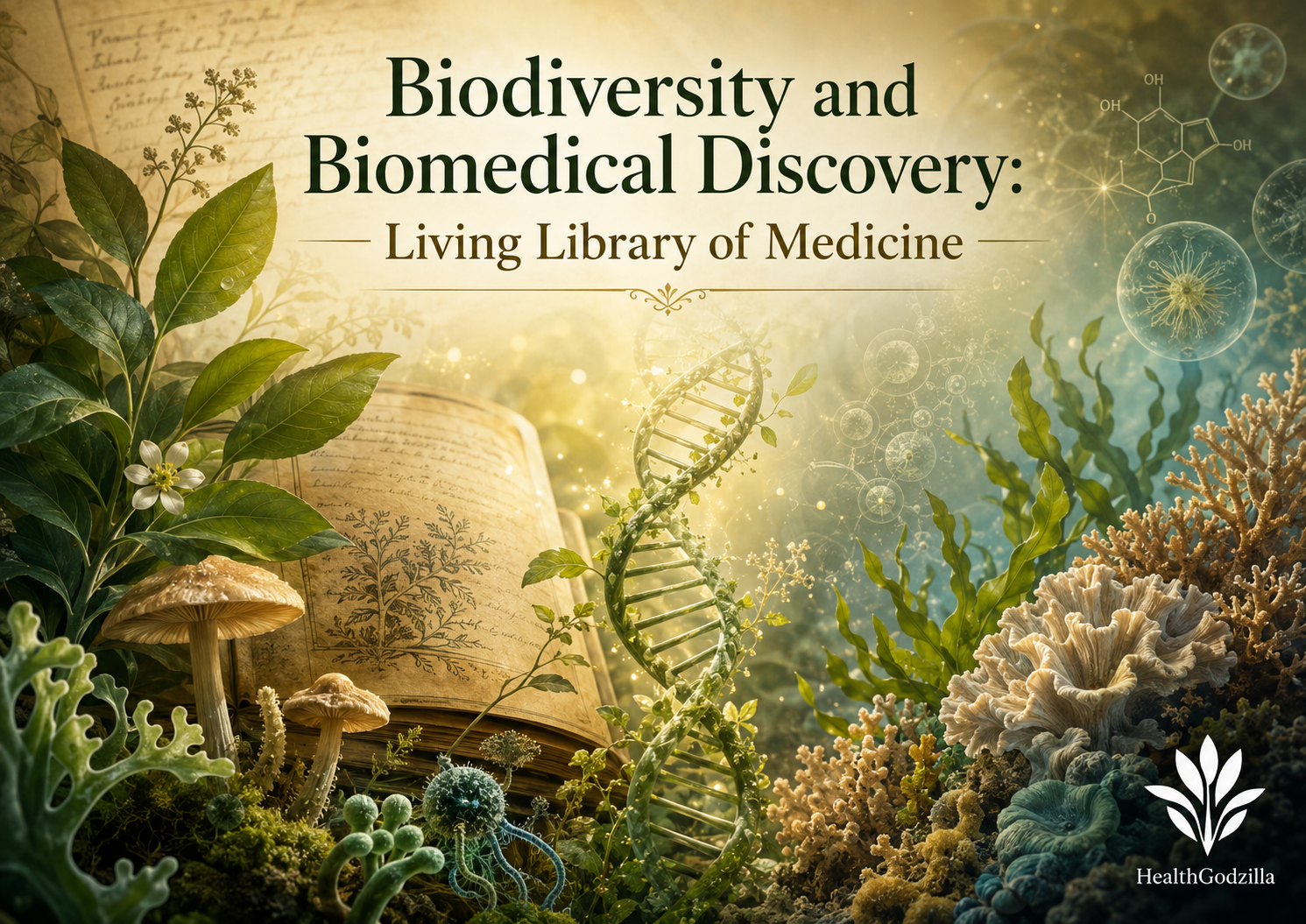
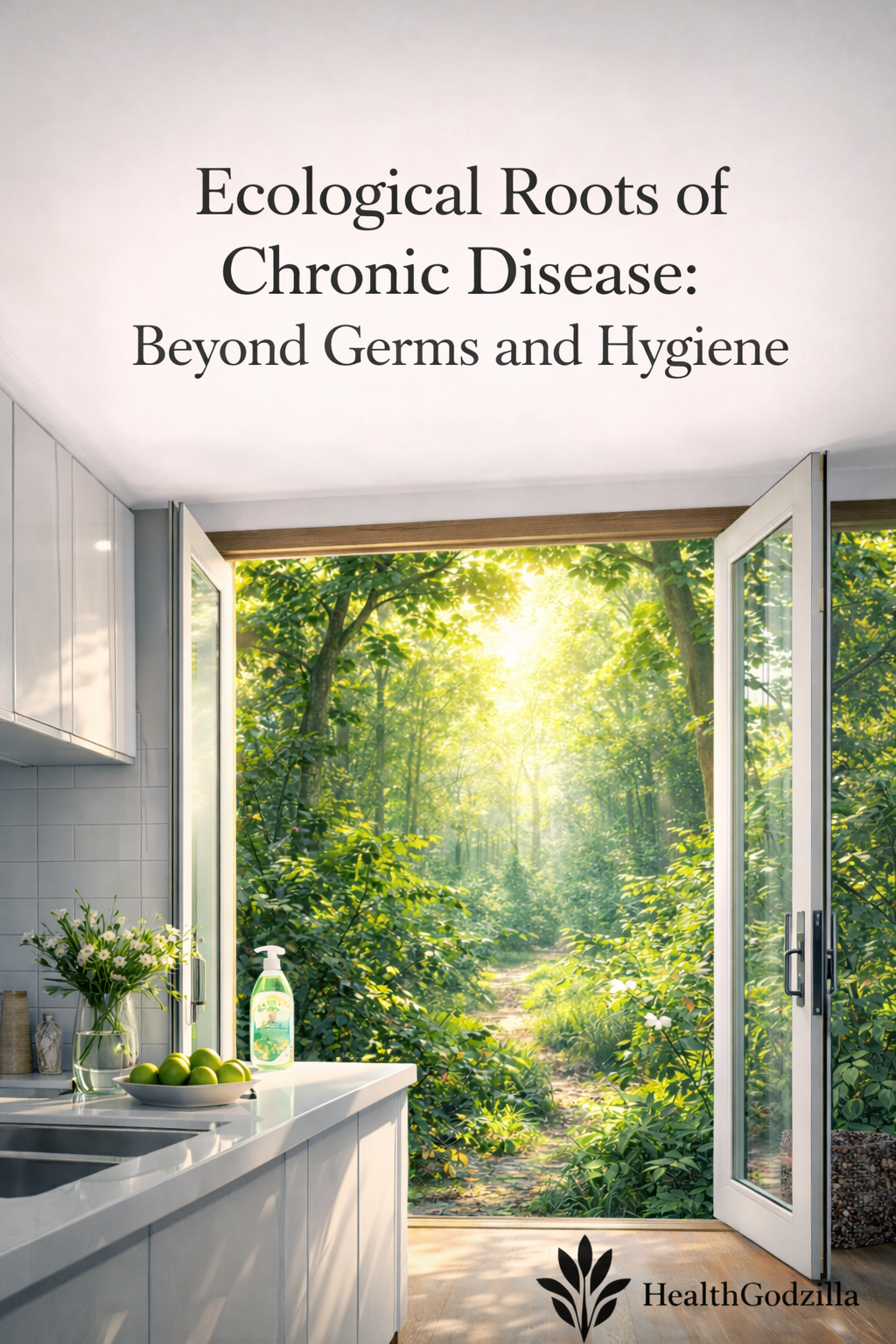
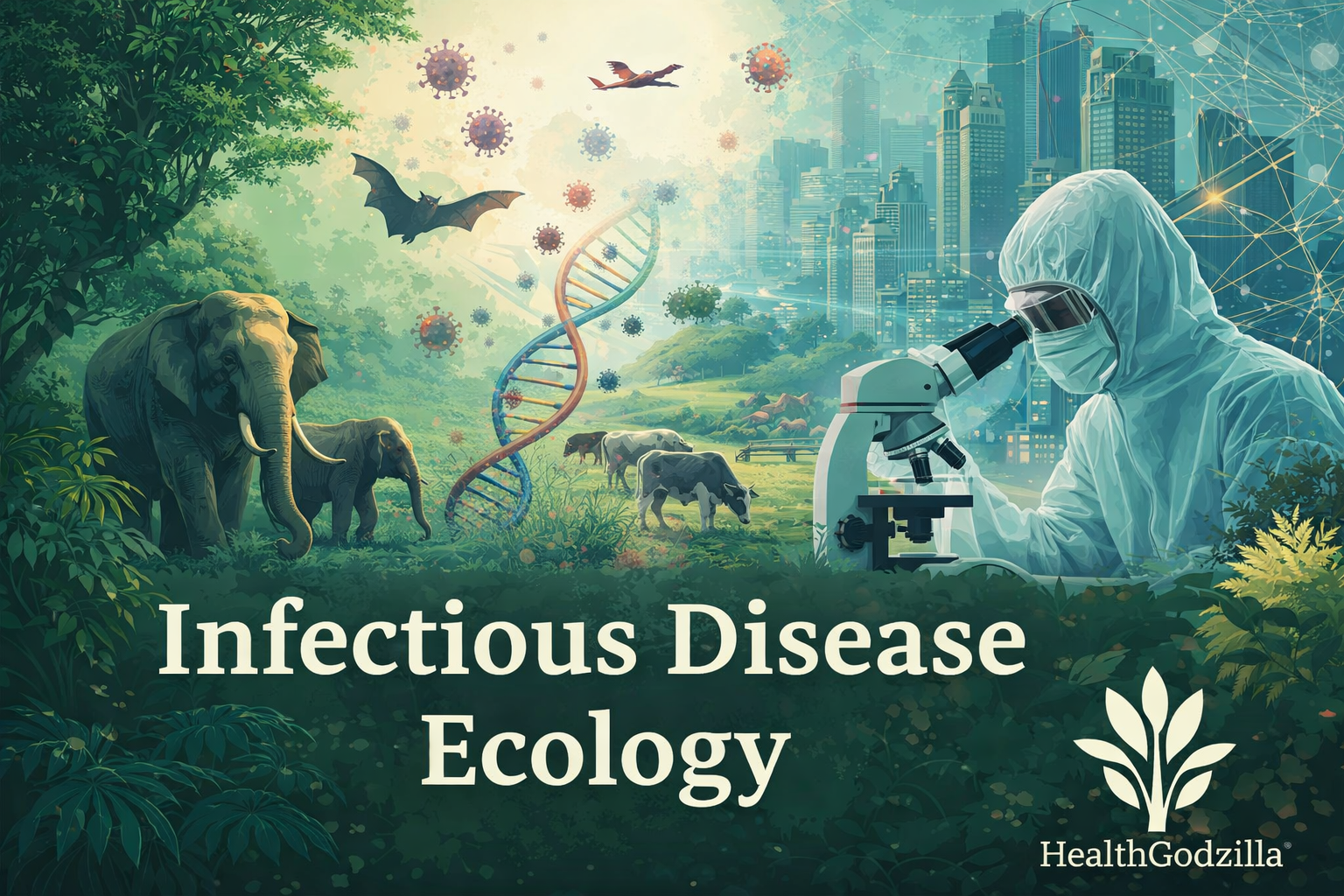
Environmental balance begins with relationship. Human health, animal health, ecosystems, biodiversity, climate, food, water, and pollution do not exist in isolation. At HealthGodzilla, this category explores how these systems interact—and what happens when their balance begins to shift.
Through biodiversity, infectious disease ecology, pollution, food systems, environmental change, and One Health, these pages examine how ecological disruption can travel across species, communities, and generations. The aim is not merely to describe environmental problems, but to understand the systems that connect them.
Balance does not mean stillness. Living systems change, adapt, compete, cooperate, recover, and sometimes fail. Environmental stewardship therefore begins with learning how those relationships work—and with recognizing that human well-being depends on the integrity of the wider living world.
The Geometry Principle — A Wider Lens
The Geometry Principle sits beyond any single category. Within Environmental Balance, it offers a way to think about proportion, relationship, rhythm, restraint, and the conditions that allow systems to endure.
At the heart of the principle is a simple idea: systems remain viable when their parts move in balance with one another. From ecosystems to planetary cycles, order depends on relationship rather than isolation.
In this sense, environmental balance becomes more than conservation. It becomes a way of seeing limits, reciprocity, responsibility, and the patterns that help life continue.
No Collision. No Emission. No Pollution.
The crux remains simple: we must go to geometry.
Environmental balance is not a destination. It is a continuing relationship between knowledge, restraint, reciprocity, and care.